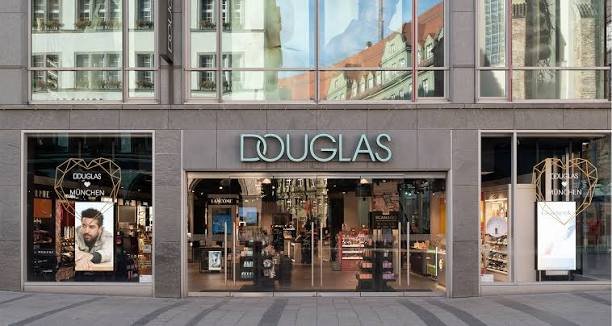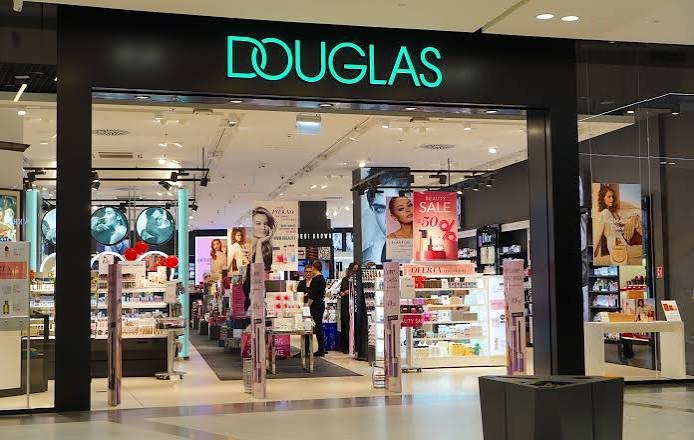
DOUGLAS Group is a leading European retailer in the beauty and cosmetics industry, operating a wide range of brands and concepts across various markets. Founded in 1949 in Hamburg, Germany, the company has since expanded to become one of the largest beauty retailers in Europe, with over 2,400 stores across 21 countries. The group’s portfolio includes well-known brands such as Douglas, Thalia, and Christ, offering a diverse range of products and services in the beauty, cosmetics, and perfumery sectors.
How does DOUGLAS Group work?
DOUGLAS Group operates through a multi-channel approach, combining brick-and-mortar stores with e-commerce platforms to provide customers with a seamless shopping experience. The company’s retail strategy focuses on offering a wide range of products from popular and prestige brands, as well as its own private label brands. In addition to its retail operations, DOUGLAS Group also provides services such as beauty consultations, makeup applications, and fragrance testing. The company’s logistics and distribution network is designed to ensure efficient and timely delivery of products to its stores and online customers.
Is DOUGLAS Group a publicly traded company?
DOUGLAS Group is a privately held company, owned by the Kreke family and the private equity firm, CVC Capital Partners. As a result, the company’s financial statements and operational data are not publicly disclosed. However, according to a report by the market research firm, Euromonitor International, DOUGLAS Group generated revenues of approximately €3.4 billion in 2020, with an estimated market share of around 10% in the European beauty and cosmetics retail market.
What brands does DOUGLAS Group own?
DOUGLAS Group’s brand portfolio includes several well-known brands in the beauty and cosmetics industry. Some of the key brands owned by the company include:
* Douglas: a leading European beauty retailer with over 1,800 stores across 21 countries.
* Thalia: a German-based retailer specializing in books, music, and DVDs.
* Christ: a German-based jeweler with over 150 stores across Europe.
* AppelrathCüpper: a German-based retailer specializing in women’s clothing and accessories.
The company also operates several private label brands, including Douglas Collection and Douglas Naturals, which offer a range of beauty and cosmetics products.
How does DOUGLAS Group approach sustainability?
DOUGLAS Group has implemented various initiatives aimed at reducing its environmental impact and promoting sustainability. The company has set targets to reduce its greenhouse gas emissions, energy consumption, and waste generation. Some of the key initiatives include:
* Using energy-efficient lighting and HVAC systems in its stores.
* Implementing a recycling program for paper, cardboard, and plastic waste.
* Sourcing products from suppliers who adhere to sustainable and responsible practices.
* Offering eco-friendly and sustainable products to customers.
The company’s sustainability strategy is aligned with the United Nations’ Sustainable Development Goals (SDGs) and is designed to minimize its environmental footprint while promoting social responsibility.
Frequently Asked Questions
- What is DOUGLAS Group’s main business activity?
DOUGLAS Group is a leading European retailer in the beauty and cosmetics industry, operating a wide range of brands and concepts across various markets.
- How many stores does DOUGLAS Group operate?
DOUGLAS Group operates over 2,400 stores across 21 countries in Europe.
- What brands does DOUGLAS Group own?
DOUGLAS Group’s brand portfolio includes Douglas, Thalia, Christ, AppelrathCüpper, and several private label brands.
- Is DOUGLAS Group a publicly traded company?
No, DOUGLAS Group is a privately held company, owned by the Kreke family and the private equity firm, CVC Capital Partners.
- What is DOUGLAS Group’s approach to sustainability?
DOUGLAS Group has implemented various initiatives aimed at reducing its environmental impact and promoting sustainability, including reducing energy consumption, waste generation, and promoting eco-friendly products.